Hello bros ! Welcome to my new blog !
For this day, I will share to you the article that I’ve read as still connected to our topic which is traveling.
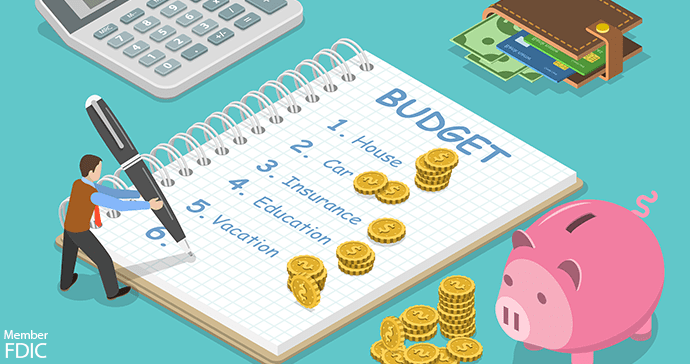
Guess what ? BUDGETING !
Budgeting is the process of creating a plan to spend your money. This spending plan is called a budget. Creating this spending plan allows you to determine in advance whether you will have enough money to do the things you need to do or would like to do. Budgeting is simply balancing your expenses with your income.
Summary
The authors or writers of the article are Megan Matteo and Leslie James. The title was Six Fun Saving and Budgeting Activites for High School Students, the website where you can find it was at http://www.weareteachers.com, the publication date was on June 04, 2019.
The article was about helping tips for high school students in saving and budgeting their money. Even the highest- performing students can struggle with basic financial literacy tasks like busgeting and saving. Finding ways to connect financial literacy with the things that are important to students.
1. Creating a buying plan
Have students make a list of up to 10 items they’d like to buy.
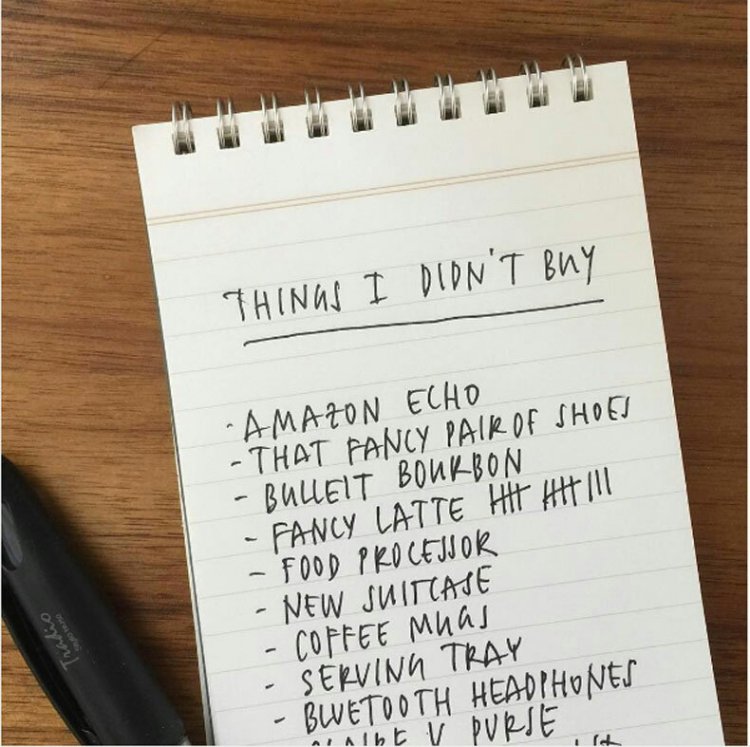
These items can range in price, but encourage students to think as big as they like. From this exercise, ask students to explain why they chose these items and to answer some guiding questions. Help them decide, based on whether they have a job, receive an allowance, or have a savings account, how they’ll make the purchase and help them tailor each plan to their situation.
2. Walk in someone else’s shoes for a week
Ask students to estimate how much they think an average person spends in one week.

Using data from news articles and sources, have students create and manage a budget with this worksheet. Do they have enough money to cover their obligations and stick to their budget? Students can tally every expense a particular person may have on any given day (including the small ones that are easy to forget).
3. Get them invested in making their money grow.
Tell students they are going to begin saving in an account with compounding interest.

Students pick cards to determine their account’s compound interest rate. At first, the idea might seem basic—people with cards that have higher interest rates may earn more over time. But activate your students’ critical thinking skills by having them predict the difference between their returns on their savings and their peers’.
4. Help them understand how needs and wants have changed.
A photo slideshow can show how humankind’s lifestyles have changed over time.
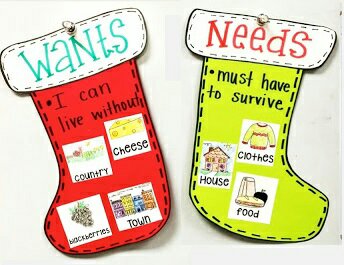
Have students predict what the needs of the future will be, then show them artifacts from history and contemporary times to sort into needs or wants piles. Reflecting on needs versus wants is an important way to sharpen students’ executive functioning and help them build the power of metacognition—considering their thoughts, habits, and choices.
5. Show them that saving should be a priority.
It is important for students to practice paying themselves first.

Let every school day represent one year and after six weeks graph savings accounts as a class to see how much everyone earned by paying themselves first. Then, teach students how to calculate their total savings into monthly amounts and compare their monthly savings budget with their monthly budget.
6. Build the power of positive belief.
Inspiration goes a long way: read articles to students, show them YouTube videos, and bring in speakers who have either turned their financial health around or earned wealth with good habits to speak to your class.

“What would you do with one million dollars?” and then give them time to reflect, journal, or create and share a vision board. Hold one-on-one or smaller group sessions with students to help them devise individualized plans.
“A budget is telling your money where to go instead of wondering where it went.”
~Dave Ramsey
Since budgeting allows you to create a spending plan for your money, it ensures that you will always have enough money for the things you need and the things that are important to you. Following a budget or spending plan will also keep you out of debt or help you work your way out of debt if you are currently in debt.With a little empathy, time, and positive thinking, you can teach your students how to build budgeting and savings habits that work for them.
Review
The article was related to my passion or blog by creating travel budget will help you make a more realistic travel plan. If you are just saving for a trip, a travel budget will act as a guide to set a realistic savings goal. And, if you’re ready to take off, a travel budget will help you make the best spending choices on the go. By setting a good budget, we have a better idea of how much money we will need for our trips, have a plan of where our money will be spent and finally, look for areas that we can improve our spending habits in order to maximize our hard earned money. For some people budgeting is a way to get excited about a trip. They use it as the first step in the planning and a way to get themselves psyched up about a destination. A strong, comfortable backpack is the traveller’s linchpin, and it’s worth shelling out for a good-quality model . An equally important investment is a pair of decent shoes chances are you’ll be spending a lot of time on your feet, so making sure your footwear is comfortable, durable and is suited to your needs is essential.
The article is related to present issues or problems especially to the families or persons who have financial problems in terms budgeting their money because of the shortage and many expenses they experience.When it comes to saving on experiences, make it all about the activity rather than the souvenirs. When you go somewhere in the zoo, in park, or mall ,make the most of the experience, but set a budget beforehand. Bring ONLY the cash you can afford to spend on the trip, take pictures, and go for having fun rather than trying to bring the fun home with you. Gear is another sizable purchase. Travellers, especially first-timers, often over-invest in specialised travel gear, but prioritising is the key to saving money while still making a success of life on the road.
My high school years involved a lot of growing up and increased independence. Growing up I had mixed feelings about the concept of money not sure whether it was good or evil, helpful or destructive. I even wrote in my primary school graduation yearbook that I if I could change anything in the world I would make it so that there was no such thing as money. Being able to go out by myself and buy my own things started to put a thing or two into perspective. I slowly began to gain a sense of how much things cost and how to establish a bargain from a rip-off. These practical lessons were accompanied by business and economics classes at school which taught me theories regarding why certain things cost more than others (supply and demand). Since I was quite competitive with friends, I came jealous every time they save up enough money to buy a their things.
My first jobs (side jobs when summer) taught me the value of money; that it is something that needs to be worked hard for. I became more protective of my money because it was something I had earnt through hours of effort. For example, I was less willing to buy a pair of shoes that i want that cost as much as I had earnt through a whole days of work. I began to develop budgeting techniques to help me save for the things I really wanted. Lately I’ve been thinking a lot about my future financial goals. I fantasize about buying a house and living a comfortable lifestyle free of financial worries, now and forever. Surely that can be achieved somehow. Realistically, I dont think life is meant to be as easy as that. But if we are smart enough about how we manage our money and spending, we can make things easier for ourselves.
Of course yes, I will recommend it to others because this will be very helpful to them, especially creating a efficient budget plan hopely earn more savings they make in budgets that can be use in situations if they will needed it.Checking on your budget each day can help you to monitor it and keep you from overspending. Making decisions at the beginning of the month makes it easier to manage your money.
To sum it up, If you feel like you are not in control of your money and you are constantly wondering where it went and what happened to it, budgeting can put you in control. It allows you to prioritize your spending, track how you are doing and realize when you need to stop. It puts a solid plan into place that is easy to flow and gives you the chance to plan and prepare for the future. It is the biggest tool you have to change your financial future, and it gives us the power to make changes starting today.
From our activity last time which is creating a budget plan, I learned that their chosen items have in common and have differences in terms of model, price and branding. I chose thise items because i want it , gives me happiness and can help boost up myself and help in other things when the time i will be needing it. I know you can’t get now in your hands but you work hard for it. By sarifices you time, money and energy.
 NeverEndingFootsteps